New Hair Style That Looks Great On Older Women is Popular Again
Outline:
– Introduction: Why a revived soft shag resonates now with women seeking movement, ease, and polish
– Section 1: Why the Soft Shag Is Back—and Why It Flatters Mature Features
– Section 2: Choosing the Right Shag for Your Face Shape and Hair Texture
– Section 3: Color, Gray Blending, and Shine: Making the Cut Work With Natural Silver
– Section 4: Styling and Maintenance: Effort, Tools, and Salon Talk Without the Jargon
– Section 5: Realistic Expectations, Confidence, and Long-Term Care: A Practical Conclusion
Introduction
The return of the soft shag isn’t just a nostalgic nod; it’s a practical answer to what many women want from a haircut today—energy without fuss, structure without stiffness, and a wearable shape that celebrates natural texture. As hair changes with time, styles that create lift and movement can feel refreshing. The soft shag delivers that by stacking gentle layers, opening the face, and letting the hair fall in a way that looks intentional yet relaxed. This article unpacks how to choose the version that suits your face shape and hair type, how to blend color with grace, and how to style it quickly so it looks refined on weekdays and relaxed on weekends.
The Soft Shag Comeback: Why It Flatters Mature Features
The soft shag has a history of reinvention. First popular decades ago, it returns now with subtler layering, a lighter fringe, and edges that skim rather than shout. For women seeking a cut that balances polish with ease, this is one of the top options because it leverages layers to redirect weight, add lift at the crown, and create airflow that keeps hair from sitting flat against the scalp. As hair density gradually shifts with age—diameter can decrease and growth cycles may slow—strategic layers help hair appear fuller without resorting to heavy styling.
What makes the new shag different from older versions is the restraint. Instead of choppy ends and severe contrasts, the modern take favors blended transitions that drape over the cheekbones and jawline. This matters because softer edges visually soften features as well. By dispersing weight away from the jaw and into the mid-lengths, the cut creates an elegant frame. Compared with a classic one-length bob, which can collapse on finer hair, the soft shag introduces micro-elevations through the interior that act like built-in scaffolding. And while a close-cropped pixie exudes confidence, it can expose areas of low density; the shag offers coverage with movement.
Beyond optics, the cut behaves well in daily life. Because the layers are tailored to the hair’s natural fall, most strands find their place with minimal coaxing. Many notice that the style air-dries into a lived-in wave or lift, especially when a light salt mist or volumizing lotion is scrunched in. The goal is not perfection; it’s an intentional, airy shape. Consider these advantages:
– Subtle crown lift that counters flatness without teasing
– Face-framing layers that highlight eyes and soften the jawline
– Adaptable lengths, from collarbone grazing to short and swingy
– Works with natural silver and blended color techniques
In short, the soft shag earns attention again because it respects how hair behaves now, not how it used to, and translates that reality into an attractive, low-pressure silhouette.
Choosing the Right Shag for Your Face Shape and Hair Texture
There isn’t a one-size version of the soft shag; the secret is calibration. The way layers are placed, how long the fringe falls, and where the perimeter lands all depend on face shape and hair texture. Start by considering your face’s vertical and horizontal balance. If your face is round, lengthening lines help; if it’s long, width and softness above the cheekbones matter. A stylist can map this in a quick consultation by observing where your hair naturally splits, how it collapses, and where it resists.
Face-shape pointers you can bring to the chair:
– Round: Keep the length below the chin and build volume slightly above the cheekbones; a wispy, off-center fringe can create vertical lines.
– Square: Soften strong angles with curved, cheek-kissing layers and a light, spread-out fringe; avoid blunt widths at the jaw.
– Heart: Add volume around the nape and mid-lengths to balance a broader forehead; a soft curtain fringe can narrow and flatter.
– Long/Oblong: Emphasize width with fuller layers around the cheeks and a gently longer fringe; avoid excess height at the crown.
– Oval: Versatile; choose length by lifestyle—shoulder-skimming for ponytail days or shorter for extra swing.
Texture also guides the design. Fine, straight hair benefits from internal layering that creates lift without thinning the ends too much. Medium textures can carry more pronounced face-framing while keeping the perimeter soft. Waves and curls love the shag when layers are carved to release pattern rather than puff it out. For coils, carefully graduated layers can enhance shape while retaining moisture and definition; the fringe may be longer and side-swept to coexist with shrinkage.
Compared with a one-length bob, which relies on density for fullness, a soft shag’s interior layering can simulate volume in finer textures. Against a tight pixie, the shag offers more coverage and styling flexibility. If you like to change parts or tuck one side, the shag accommodates these habits. Practical checks before committing:
– Pinch test: Lift a small section at the crown; if it springs back, it can hold layered support.
– Parting test: Flip your part; if both sides look reasonable, face-framing layers will adapt.
– Styling tolerance: If five to ten minutes is your limit, aim for medium layering and an easy fringe length.
Selecting your version is about proportion, not drastic change. With thoughtful adjustments, the cut can read soft, sharp, or somewhere in between—always aligning with your natural texture and daily routine.
Color, Gray Blending, and Shine: Making the Cut Work With Natural Silver
The soft shag pairs beautifully with natural silver because its layered planes catch light. As hair shifts toward gray or white, its surface can feel different—often slightly drier and more porous—which influences how it reflects. Instead of fighting that, the goal is to harness it. Gentle contrasts, restrained brightness, and healthy shine make the cut sing without overwhelming it.
Approaches that complement a revived shag:
– Silver blending: Fine, cool highlights and lowlights woven through the top layers to mingle with natural gray, reducing demarcation lines.
– Soft illumination: Subtle, face-framing brightness that echoes how the sun would lighten hair, avoiding stark bands.
– Lowlights for depth: Smoky beige or taupe tones (matched to your base) placed in the interior to prevent a washed-out look.
– Glossing: A sheer clear or soft-toned glaze that seals the cuticle for improved light reflection and a smoother feel.
Why this matters with a layered cut: Every layer is a small shelf for light. If color contrast is too sharp, those shelves can appear choppy; if contrast is too low, the shape can look flat. The sweet spot is a measured blend—about one to two levels of difference—so movement reads intentional. For those embracing a full silver grow-out, the shag helps because layers diffuse the boundary between old color and new growth. Over a few months, micro-trims can remove remaining pigment while the shape stays fresh.
Maintenance should be realistic. Many find that a refresh every eight to twelve weeks keeps tone and shine lively. To preserve brightness between appointments, a gentle violet or blue-toned cleanser once a week can counter warmth, provided hair does not feel overly dry. Hydration remains key: layered hair reflects better when cuticles are smooth. Lightweight conditioners, leave-in mists, and occasional oil on ends support this without weighing the style down. Think in terms of balance—enough moisture for slip, enough airiness for movement.
Ultimately, the color strategy serves the cut, not the other way around. By letting natural silver speak and adding only the refinement needed, the result is dimensional, flattering, and timeless.
Styling and Maintenance: Effort, Tools, and Salon Talk Without the Jargon
A revived shag succeeds when it looks composed yet effortless. That translates to a routine you’ll actually keep. Plan on five to fifteen minutes most days, with a slightly longer refresh when you wash. Air-drying is friendly to this shape, but you can speed things along with a diffuser or a gentle pass of a round brush. The key is touch: scrunch to encourage lift, twist small sections to define movement, and avoid over-brushing once dry.
Simple workflow for most textures:
– After cleansing, blot—not rub—so you keep the cuticle smoother.
– Apply a light volumizing lotion or curl cream depending on texture; start small and add if needed.
– For extra lift, mist the roots at the crown and above the temples, then scrunch mid-lengths.
– Air-dry or diffuse on low heat and low airflow; pause to let hair cool so the set stays.
– Finish with a pea-size paste or cream to pinch ends and define the face frame; tap a touch of dry shampoo at the crown on day two.
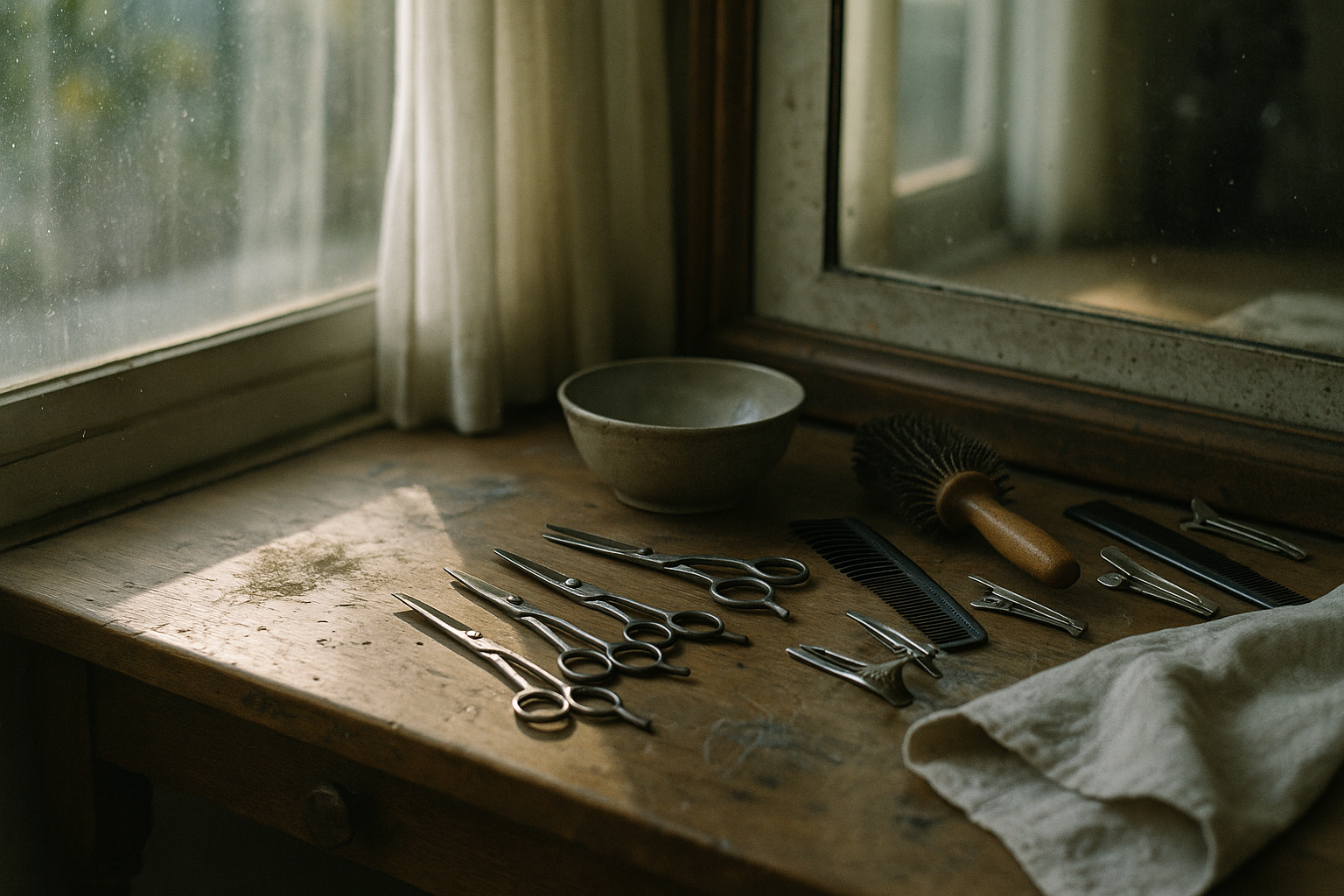
Tool list you likely already own: a medium round brush, a diffuser attachment, a wide-tooth comb, and a soft boar-nylon mix brush for smoothing flyaways. None are mandatory every day; think of them as options. If your hair is very fine, skip heavy creams and favor lightweight sprays. If it’s curly, prioritize moisture first, then hold. The cut’s layering does the heavy lifting; products should support, not smother, the shape.
Talking with your stylist can be straightforward when you focus on outcomes rather than jargon. Try: “I’d like soft layers that lift the crown, a light fringe that opens my face, and ends that feel airy, not thin.” Bring two or three reference photos that reflect length and density similar to yours. Explain your routine in minutes, not products: “I’ll spend ten minutes tops.” This helps tailor layer size, fringe length, and perimeter line to your life.
Maintenance cadence varies by length and texture, but six to ten weeks is a comfortable window for many. Shorter versions swing and grow out faster; longer ones stretch gracefully. On non-wash days, a light mist and a few finger twists revive definition. Keep in mind practicalities: weather affects volume, hats press down layers, and pillows reshape fringe overnight. The style flexes with all of it—simply coax it back, and it returns to form.
Realistic Expectations, Confidence, and Long-Term Care: A Practical Conclusion
A haircut can’t change everything, but the soft shag can change how your hair behaves within minutes: lighter at the crown, softer near the face, and easier to style with a modest routine. Setting clear expectations keeps the experience satisfying. The shape is meant to look lived-in, not rigid; slight asymmetries and airy edges are part of its charm. If you favor ultra-precise lines, consider a hybrid approach—shagged interior with a tidier perimeter—so you enjoy movement without losing structure.
Long-term success rests on consistent, low-drama care. Protect your cut from friction by blotting after washing and sleeping on a smooth pillowcase. Detangle from ends upward with a wide-tooth comb. Rotate hydration and light strengthening to maintain resilience, especially if hair is silver and more porous. Book trims before the shape collapses; timely micro-maintenance preserves the silhouette and avoids larger, more disruptive chops later.
Confidence is not a product you buy; it grows when what you see in the mirror matches how you want to move through the day. The revived shag supports that by celebrating natural texture, adapting to different face shapes, and fitting into realistic routines. It’s playful at brunch, polished at work, and relaxed on slow Sundays. To get there, communicate your time budget, comfort with fringe, and tolerance for grow-out. Ask for a shape that still looks intentional at week eight. Consider color choices that enhance, not conceal, your silver. Keep your styling list short and your touch gentle.
If you’re ready for a refresh that aligns with how hair changes and life flows, the soft shag deserves a try-on. Begin with modest layers and a soft, slightly longer fringe; you can always refine at the next trim. Let movement return, let light catch the new angles, and enjoy a style that feels like you—only a bit airier, easier, and more current.


