Learn more about roofing service
How Roofing Services Work and How This Guide Is Organized
Think of your roof as a hardworking shield that never clocks out. Roofing services exist to keep that shield intact across decades of weather, temperature swings, and the ordinary settling of a house. The process begins with an assessment: a technician studies surface wear, flashings, penetrations (vents, skylights), ridge lines, gutters, and—crucially—the attic. Moisture readings, photographs, and notes about ventilation help translate observations into an action plan. From there, a proposal outlines materials, methods, schedule, safety practices, and warranty terms. Permits are pulled where required, crews mobilize, materials arrive, and the job is executed with tear-off or overlay, underlayment, flashing, ventilation improvements, and cleanup. A final walkthrough confirms workmanship and documents the condition for future reference.
Two building-science ideas shape nearly every decision. First, water management: roofing should shed water quickly, bridge vulnerable joints, and keep wind-driven rain from sneaking under edges. Second, ventilation and insulation: balanced intake and exhaust reduce attic heat and moisture, which can otherwise shorten shingle life and cause mold. A common rule of thumb targets about 1 square foot of net free ventilation per 150 square feet of attic floor area, adjusted by local code and baffle design. In colder climates, ice-and-water barriers along eaves help prevent refreeze damage. In hotter zones, reflective or well-ventilated assemblies curb heat gain and aging.
Before we dive into details, here’s the outline you’ll see expanded across this guide:
– Materials and Systems: how asphalt, metal, tile, slate, wood, and low-slope membranes compare on cost, lifespan, weight, efficiency, and aesthetics.
– Estimates and Contracts: reading proposals, confirming insurance, clarifying payment terms, and avoiding common pitfalls.
– Maintenance and Leak Prevention: seasonal checklists, safe DIY tasks, when to call a pro, and how to document issues.
– Budgeting and Value: repair-versus-replacement math, projected returns, timing strategies, and a clear wrap-up you can act on.
Expect specifics: typical lifespans, price ranges per square foot installed, common failure points like flashing at walls or chimneys, and why attic air pathways matter as much as shingles. With that map in hand, let’s step onto the roof—figuratively—and turn a complicated subject into decisions you can explain confidently to anyone.
Roofing Materials and Systems: Pros, Cons, and Lifespans
Choosing materials is part engineering, part design, and part local climate strategy. For pitched roofs, asphalt shingles remain widely used due to approachable costs and straightforward installation. Many 3-tab options last around 15–20 years, while thicker architectural styles often reach 25–30 years when properly ventilated. Installed costs commonly land around $4.50–$7.50 per square foot in many regions, varying with tear-off needs, underlayments, and flashing complexity. Pros include easy repairs and broad color choices; cons include susceptibility to heat aging and wind uplift if improperly nailed or ventilated.
Metal roofing—steel or aluminum panels and shingles—carries higher up-front cost, often $8–$14 per square foot installed, but can deliver 40–70 years of service with proper coatings and fasteners. It sheds snow efficiently, resists embers with high fire ratings, and can reflect a significant portion of solar heat. Noise during heavy rain is largely a myth when installed over solid decks and underlayments. Watch for galvanic reactions if dissimilar metals touch, and ensure exposed fasteners (if used) are replaced or tightened over time.
Clay or concrete tile provides striking texture and excellent longevity—50 years or more is achievable—but the weight can reach several times that of asphalt. Homes may require structural evaluation before installation. Costs typically range $10–$20 per square foot installed. Tiles resist heat and salt air well, making them popular in sun-drenched or coastal climates. Vulnerabilities include breakage from impacts and the need for skilled flashing around hips, ridges, and penetrations. Slate offers a refined, time-tested look with lifespans that can exceed 75–100 years; expect premium costs, often $15–$30 per square foot installed, and specialized craftsmanship.
Wood shakes and shingles deliver a natural, textured appearance and solid insulation value. Lifespans vary widely—20–40 years with diligent maintenance in moderate climates. Fire ratings depend on treatment and local codes, and periodic cleaning plus moss control are essential in damp areas. For low-slope or flat roofs, single-ply membranes like TPO, PVC, and EPDM are common. Installed costs frequently land around $5–$9 per square foot, depending on insulation thickness, attachment method (mechanically fastened, adhered, or ballasted), and detail work. These systems excel at large, uninterrupted surfaces; the tradeoff is that ponding water, clogged drains, or poorly terminated edges can accelerate aging. Modified bitumen and built-up roofs (layers of bitumen and reinforcing fabrics) remain viable in certain applications, offering robust redundancy with more weight and labor.
A few quick comparisons to frame your decision:
– Longevity: slate and high-quality metal lead, followed by tile, then thicker asphalt, then entry-level asphalt.
– Weight: tile and slate are heaviest; asphalt and metal are comparatively light.
– Energy: highly reflective membranes and lighter-colored metal can reduce cooling loads in sunny climates.
– Maintenance: complex profiles (tile, wood) may require more periodic attention; single-ply seams demand focused inspections.
Your local climate, the home’s structure, and project budget form the three-legged stool that balances these tradeoffs.
Estimates, Contracts, and Insurance: Hiring With Confidence
Good roofing work begins on paper. A solid estimate reads like a roadmap: it identifies the roof area, tear-off requirements, underlayments (synthetic felt, ice-and-water barrier), flashing metals and thicknesses, fastener types, ventilation strategy, and waste disposal. Look for line items that separate materials, labor, and incidentals such as plywood or OSB deck repairs priced per sheet. Transparent pricing for accessories—drip edge, ridge vents, pipe boots, skylight curbs—prevents surprise add-ons. If the roof has layers, the proposal should state whether an overlay is allowed by code or if a full tear-off is required. Clarify site protection plans: landscaping coverings, magnet sweeps for nails, and daily cleanup protocols.
Insurance and licensing are non-negotiable. Reputable contractors carry general liability and workers’ compensation to protect you from jobsite injuries or property damage. Ask for certificates sent directly from the carrier, and verify expiration dates. Many municipalities require contractor licenses or registrations; a quick check at the local building department goes a long way. Warranties have two pieces: manufacturer coverage for materials and a workmanship warranty for installation. Confirm what triggers a claim and what regular maintenance is needed to keep coverage valid—ventilation and proper flashing are frequent requirements.
Payment terms should be steady, not splashy. Reasonable deposits, progress payments tied to milestones (delivery, mid-install, substantial completion), and a final payment after walkthrough are common. Avoid front-loading most of the cost before work begins. Ask how change orders are handled if hidden deck damage is found. Get start and completion windows in writing and discuss contingencies for weather delays.
To compare bids fairly, align scope and materials across at least three proposals. Consider not just price but communication quality, site photos, and detail around venting, flashing, and edge metal. Beware of door-to-door storm chasers who solicit aggressive, same-day signatures. Local references matter: call a few, and if possible, drive by a recent job to observe details like straight courses, clean valleys, and neat ridge caps.
Smart questions to ask:
– Who will be on site daily, and how will issues be communicated?
– Will you replace all flashings or reuse any existing metal, and why?
– How will you balance intake and exhaust ventilation for this roof?
– What are the exact underlayments, thicknesses, and fasteners you plan to use?
– How are deck repairs priced, and what is the threshold for change orders?
Clear answers here are early signals of workmanship you can count on.
Maintenance, Inspections, and Leak Prevention
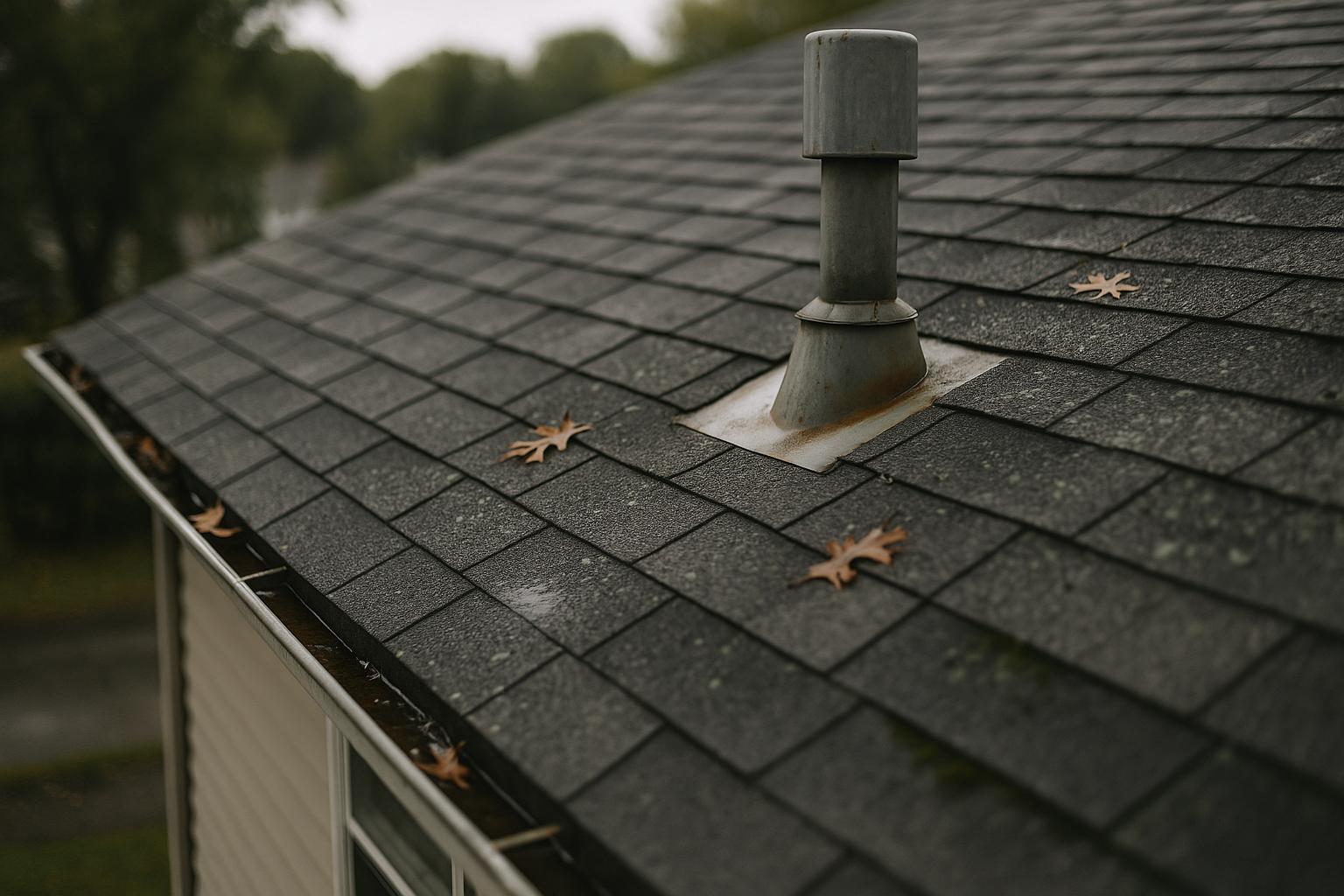
Most leaks start as small, preventable issues. A gentle, seasonal routine keeps you ahead of them. In spring, clear organic debris, check for lifted edges, and inspect skylight and chimney flashings. In fall, focus on gutters and downspouts: water should exit several feet from the foundation. In winter climates, watch for ice dams; insulation combined with air sealing around attic penetrations helps prevent heat loss that melts snow unevenly. After major wind or hail, scan for displaced shingles, bruised granules, bent ridge vents, or punctures around protrusions.
Attics tell the truth. Look for dark stains on sheathing, rusty nails (a sign of condensation), compressed or missing insulation, and blocked soffit vents. Baffles at eaves keep insulation from choking intake air. The dryer, bath fans, and kitchen hood should vent outdoors, not into the attic. Balanced airflow stabilizes shingle temperature and curbs moisture, extending service life. Where codes call for it, ice-and-water membrane at eaves, valleys, and around penetrations creates redundancy at the most vulnerable zones.
A practical checklist you can adapt:
– Twice a year, walk the ground with binoculars; avoid climbing steep or wet roofs.
– Clear gutters and confirm secure attachments; sagging runs overflow during storms.
– Trim branches at least a few feet from the roof to reduce abrasion and debris.
– Examine sealants at flashing joints; many joints need refresh every few years.
– On low-slope roofs, remove leaves at drains and watch for ponding that lasts more than 48 hours.
Small, timely repairs save money. Replacing a cracked pipe boot or resealing a chimney step flashing is typically a modest service call compared with the cost of repairing soaked drywall and insulation later. Keep photos and receipts of inspections and repairs; this record can support warranty claims and insurance conversations. Speaking of insurance, review your policy’s wind and hail deductibles and whether code upgrades are included—some policies help with ventilation or deck improvements when a covered loss requires replacement. Lastly, safety first: if anything feels uncertain, call a professional. The price of an expert inspection is modest next to the risk of a fall.
Budgeting, Value, and When to Repair or Replace (Conclusion)
Every homeowner eventually faces the “repair or replace” crossroad. A practical rule many inspectors use: if roughly a quarter or more of a slope is failing—or the system is near the end of its rated life—replacement often yields better long-term value than serial patching. Overlaying a new layer on old shingles can be legal in some areas, but a full tear-off typically uncovers hidden issues, allows fresh underlayments, and resets ventilation for a cleaner, longer-lasting system. Flat roofs with recurring ponding or seam failures may benefit from tapered insulation and upgraded membrane attachment rather than repeated patching.
Costs vary by region, roof complexity, stories, and access. Typical installed ranges look like this in many markets: entry to mid-tier asphalt at $4.50–$7.50 per square foot, metal at $8–$14, tile at $10–$20, slate at $15–$30, and single-ply membranes at $5–$9. Tear-off, deck repairs, and specialty flashings add to totals. While outlay is significant, studies on home resale frequently show a roof replacement recouping a meaningful portion of cost—often in the mid-double-digit percentage range—through improved curb appeal, buyer confidence, and reduced inspection objections. In hot climates, reflective assemblies or well-ventilated attics can trim cooling bills, and in hail-prone areas, impact-rated shingles may qualify some homeowners for insurance discounts; check with your carrier.
Smart planning reduces stress and spend:
– Solicit bids during shoulder seasons for better scheduling flexibility.
– Align scope across bids, then evaluate crew supervision, ventilation details, and flashing plans—not just price.
– Budget a contingency (5–10%) for hidden deck damage or code-driven upgrades.
– Consider financing with fixed-rate home improvement loans or home equity; avoid high-pressure offers with teaser rates.
– If you plan solar or major HVAC changes, coordinate roof work first so penetrations and mounts integrate cleanly.
Conclusion: A roof is more than shingles or membranes—it’s a system that manages water, air, and heat in concert with your home. Now you have a framework to evaluate materials, read proposals, schedule maintenance, and decide when a replacement makes sense. Start by documenting your goals (longevity, aesthetics, energy), gather a few detailed bids, and ask the questions that reveal true craftsmanship. With a clear plan and the right partner, your roof can serve quietly and reliably for years, protecting what matters beneath it.